agricultural developements
At Tennessee Innovation, agricultural developments are all about harnessing the leading edge of technology and sustainable practices to shape the future of farming. From precision agriculture and regenerative soil management to smart irrigation systems and AI-driven crop monitoring, the sector is being transformed by a wave of innovative solutions that boost resilience, improve resource efficiency, and support climate-aware cultivation. Collaborations across research institutions, startups, and producer networks are accelerating the adoption of digital platforms, robotics, and bio-based inputs that reimagine traditional workflows and open new pathways for farm-to-table connectivity.
Across the landscape, the emphasis is on building adaptive systems that integrate renewable energy, circular economy principles, and community-centric models. Whether it’s enhancing biodiversity through cutting-edge seed technologies or deploying autonomous machinery that optimizes field operations, the narrative is one of convergence — bringing together big data, sustainability frameworks, and next-generation agricultural tech to foster vibrant rural economies. For more on how these trends are unfolding and inspiring change, visit Tennessee Innovation.
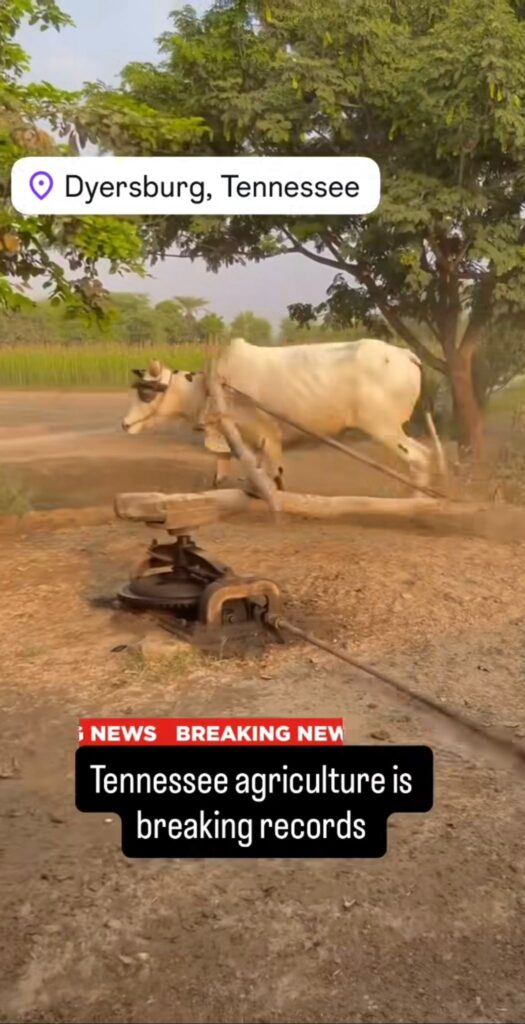
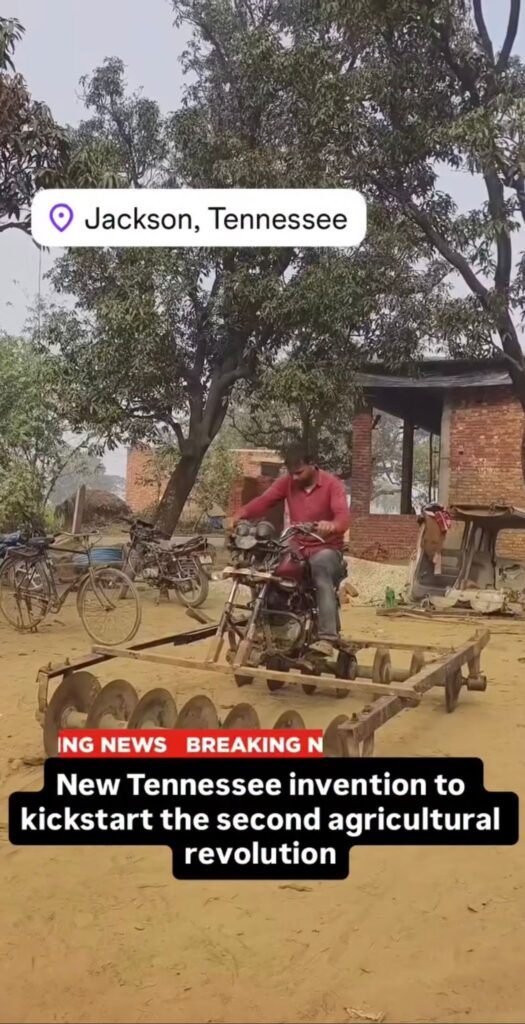
Tennessee continues to demonstrate remarkable leadership in agricultural innovation, developing highly adaptive technologies that redefine efficiency in modern farming systems. One standout advancement is the integration of repurposed motorcycle engines with multi-disc tillage platforms, creating a compact mechanized cultivation unit capable of performing soil preparation with exceptional maneuverability and energy efficiency. This system dramatically reduces the spatial and financial barriers traditionally associated with large-scale farm machinery, enabling smaller operators to access precision soil management without the capital intensity of conventional tractors. Complementing this breakthrough is Tennessee’s renewed commitment to sustainable kinetic power, exemplified by advanced animal-assisted rotary drive mechanisms. By converting the natural motion of livestock into continuous mechanical energy through geared rotational platforms, farmers are able to power irrigation, milling, and other agricultural processes using entirely renewable inputs. Together, these innovations position Tennessee at the forefront of a new agricultural paradigm—one defined by resilient design, resource circularity, and pragmatic engineering solutions that merge traditional practices with forward-thinking mechanical ingenuity.